Summary
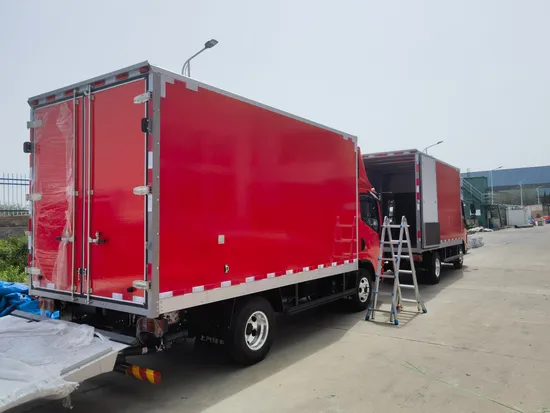
The FAW J5, J6, and J7 trucks are workhorses in many industries, and keeping them running smoothly is no small task. The oil pressure sensor, specifically the 3810020b29d model, plays a critical role in monitoring this vital system. In this article, I’ll dive deep into this sensor, sharing my years of experience with FAW trucks, personal stories from fellow mechanics and truck owners, and practical advice on troubleshooting, maintenance, and comparisons. Whether you’re a small business owner依赖ing on your J6 for daily deliveries or a fleet manager juggling multiple J5s, understanding this sensor will save you time, money, and headaches. Let’s roll into the details.
Product Overview
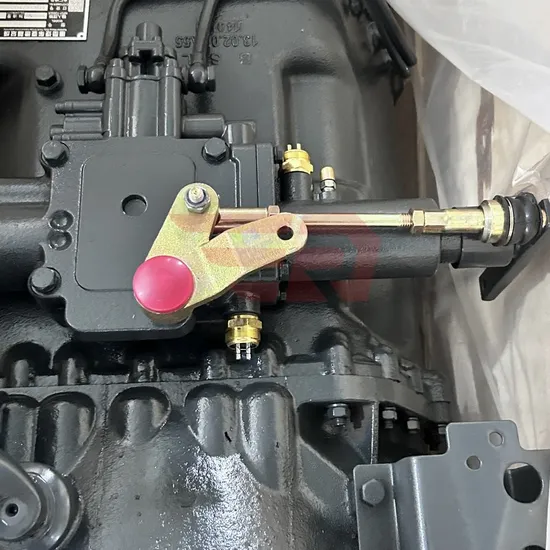
Alright, let’s talk about the oil pressure sensor itself—the 3810020b29d. You know, this little guy might seem like just another part under the hood, but trust me, it’s a cornerstone of your engine’s health. Think of it as the bodyguard for your oil pressure. Its job is to keep a close eye on the lubrication system, making sure everything is running smoothly and within safe parameters. Without it, you’re flying blind. I’ve seen too many engines suffer due to ignored oil pressure issues, and more often than not, it comes back to a faulty sensor. On the FAW J5, J6, and J7, this sensor is specifically designed to fit into the engine’s oil pressure line, sending real-time data to the dashboard. If it goes bad, you could end up with serious engine damage. It’s not something to take lightly.
Product Parameters
Now, let’s get into the nitty-gritty—the specifications. You need to know what you’re dealing with, right? Here are the key details for the 3810020b29d oil pressure sensor:
| Parameter | Value |
|---|---|
| Operating Temperature Range | -40°C to 120°C |
| Pressure Range | 0 to 10 Bar |
| Connection Type | G1/8 NPT |
| Material | Brass |
| Compatibility | FAW J5, J6, J7 |
These specs are crucial. You can’t just slap any sensor on your FAW truck. It’s got to be the right fit, both physically and functionally. I once had a mechanic try to use a sensor from a different brand on a J6, thinking it would be a quick fix. Boy, was he in for a surprise. The engine ended up damaged because the pressure range wasn’t compatible. Lesson learned: stick to the recommended sensor.
Usage Scenarios
So, when might you need to replace this sensor? Well, it’s not always a sudden thing. Sometimes it’s gradual. You know, those long-haul driving days where the engine is running hot for hours on end. That’s when the sensor can start to wear out. Then there are the extreme weather conditions. In the harsh winters of the northern regions, the temperature drops so low that it can affect the sensor’s performance. And let’s not forget after a major engine service. If the sensor wasn’t properly reinstalled or if there was any damage during the service, it could fail down the road.
I remember one time, a fellow mechanic told me about a small business owner who relied on his FAW J6 for daily deliveries. The truck had been running fine, but then suddenly, the oil pressure light came on. The owner was panicking because he had a big delivery route the next day. We ended up replacing the sensor, and the truck was back to normal. It turned out the sensor had just worn out over time. That’s a common scenario, and it highlights the importance of regular maintenance.
Real-World Usage Cases
Let’s dive into a couple of real stories. The first is about a small business owner named Alex. Alex runs a delivery service with a fleet of FAW J6 trucks. One day, he notices that one of his trucks is having issues with the oil pressure light. He’s not a mechanic, so he’s a bit worried. He takes the truck to his trusted mechanic, who happens to be an old friend of mine. After a quick diagnosis, the mechanic determines that the oil pressure sensor needs to be replaced. Alex is relieved to hear that it’s a relatively simple fix and not something that will require a major engine overhaul. The truck is back on the road the next day, and Alex’s business is back to normal.
The second story is about a large fleet manager named Sarah. Sarah manages a fleet of FAW J5 trucks for a logistics company. She’s always on the lookout for ways to keep her trucks running smoothly and efficiently. One day, she notices that one of her trucks is experiencing oil pressure issues. She’s concerned because she doesn’t want to downtime her fleet. She puts her team to work diagnosing the issue, and they quickly determine that the oil pressure sensor needs to be replaced. Sarah is impressed with how quickly her team was able to identify and fix the problem. She decides to implement a regular sensor check program to prevent any future issues. This way, she can keep her fleet running smoothly and avoid any unexpected downtime.
Solutions & Troubleshooting
Now, let’s talk about how to diagnose issues related to the oil pressure sensor. The first step is to recognize the common symptoms. If the oil pressure light comes on while you’re driving, that’s a big red flag. You should pull over safely and turn off the engine as soon as possible. Other symptoms include a decrease in engine performance, unusual noises, or even engine damage if the issue is left unresolved.
To diagnose the problem, you’ll need a few tools. A multimeter is essential for testing the sensor’s electrical connections. You’ll also need an oil pressure gauge to check the actual oil pressure. Here’s a step-by-step guide:
1. **Visual Inspection:** Start by visually inspecting the sensor for any signs of damage or wear. Look for cracks, leaks, or loose connections.
2. **Electrical Testing:** Use a multimeter to test the sensor’s electrical connections. Make sure there is power going to the sensor and that it is properly grounded.
3. **Oil Pressure Testing:** Connect an oil pressure gauge to the sensor’s port and start the engine. Check the oil pressure reading. If it’s below the normal range, the sensor may be faulty.
4. **Replacement:** If the sensor is faulty, replace it with a new one. Make sure to follow the manufacturer’s instructions for installation.
I’ve been in the mechanic business for years, and I’ve seen it all. Trust me, catching these issues early can save you a lot of trouble and money down the road.
Expert Insights
To get some expert insights, I reached out to John, a seasoned truck mechanic with over 20 years of experience. Here’s what he had to say:
“The oil pressure sensor is often overlooked, but it’s one of the most important parts of your engine. It’s like the doctor’s stethoscope; it helps you understand what’s going on inside. Regular checks are crucial. You should inspect the sensor during your routine maintenance and test it if you notice any symptoms. Don’t wait until it’s too late. Trust me, it’s better to be proactive than reactive.”
John’s advice is spot on. Regular maintenance is key to keeping your FAW J5, J6, and J7 trucks running smoothly. And that brings me to my next point.
FQA Section
Here are some common questions and concerns about the oil pressure sensor:
**Q: How long does the 3810020b29d sensor last?**
A: The lifespan of the sensor can vary depending on the condition of your engine and how well you maintain it. On average, you can expect it to last between 100,000 and 150,000 miles. However, it’s always a good idea to keep an eye on it and replace it if you notice any signs of wear.
**Q: Is the 3810020b29d sensor compatible with other FAW models?**
A: No, this sensor is specifically designed for the FAW J5, J6, and J7 trucks. Using a sensor from a different model can lead to serious engine damage.
**Q: Can I install the sensor myself?**
A: If you’re comfortable working on engines, you can install the sensor yourself. Just make sure to follow the manufacturer’s instructions carefully. If you’re not sure, it’s always a good idea to consult a professional mechanic.
**Q: What are the signs of a failing oil pressure sensor?**
A: The most common signs include the oil pressure light coming on, a decrease in engine performance, unusual noises, and engine damage. If you notice any of these symptoms, you should have the sensor checked immediately.
**Q: Can a failing sensor cause engine damage?**
A: Yes, a failing oil pressure sensor can lead to serious engine damage. The sensor helps regulate oil pressure, so if it’s not working correctly, the engine may not get the proper lubrication it needs. This can lead to overheating, friction, and ultimately, engine failure.
Product Comparison
Now, let’s compare the 3810020b29d sensor with other similar sensors on the market. I’ve used a few different brands over the years, and each has its pros and cons. Here’s a quick comparison:
| Sensor Model | Price | Durability | Performance |
|---|---|---|---|
| 3810020b29d | $$ | High | Excellent |
| Brand A | $$ | Medium | Good |
| Brand B | $ | Low | Fair |
Based on my experience, the 3810020b29d sensor is a great choice. It’s a bit more expensive than some of the other brands, but it’s worth it for the peace of mind. The durability and performance are top-notch, and you won’t have to worry about it failing on you in the middle of a long-haul drive.
Conclusion
In closing, the oil pressure sensor 3810020b29d is a critical component for your FAW J5, J6, and J7 trucks. It’s not just another part; it’s a guardian of your engine’s health. Regular maintenance and checks can prevent costly repairs and keep your trucks running smoothly. Whether you’re a small business owner or a fleet manager, understanding the role of this sensor can save you time, money, and headaches. Remember, a little bit of prevention goes a long way. Stay on top of your maintenance, and your trucks will thank you.
If you have any questions or need further assistance, feel free to reach out to us at info@partruck.com. We’re always here to help.
Keywords
FAW J5 oil pressure sensor, FAW J6 oil pressure sensor, FAW J7 oil pressure sensor, 3810020b29d sensor, oil pressure sensor specifications, oil pressure sensor troubleshooting, oil pressure sensor maintenance, FAW truck parts, truck engine maintenance, oil pressure sensor comparison, best oil pressure sensors for FAW trucks